How to write a game design document, drawing on the Diablo proposal, Grim Fandango's puzzle documentation and published studio design materials. Covers design principles, state transitions, hit-window boundaries, content tables and playtesting.
How to build a small game, drawing on the Experimental Gameplay Project, Arkadium's prototype process and Godot's official tutorial. Covers design questions, technical risks, state transitions, restarting, production scope and completion criteria.
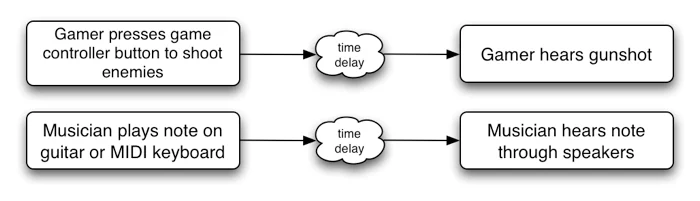
How rhythm games connect audio tracks, charts, target times, inputs, hit detection and feedback, with a step-by-step approach to investigating visual and audio sync problems.
How to compare display, audio and input clocks: their units and origins, music-position calculations, output timestamps and repeated timing measurements.
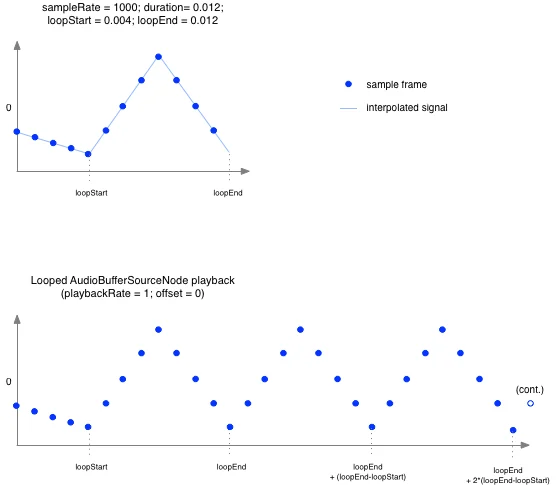
Define the input task and music's role, then calculate BPM and loop length. Includes comparison audio using the same drum arrangement at 100, 120 and 140 BPM, with a checklist.
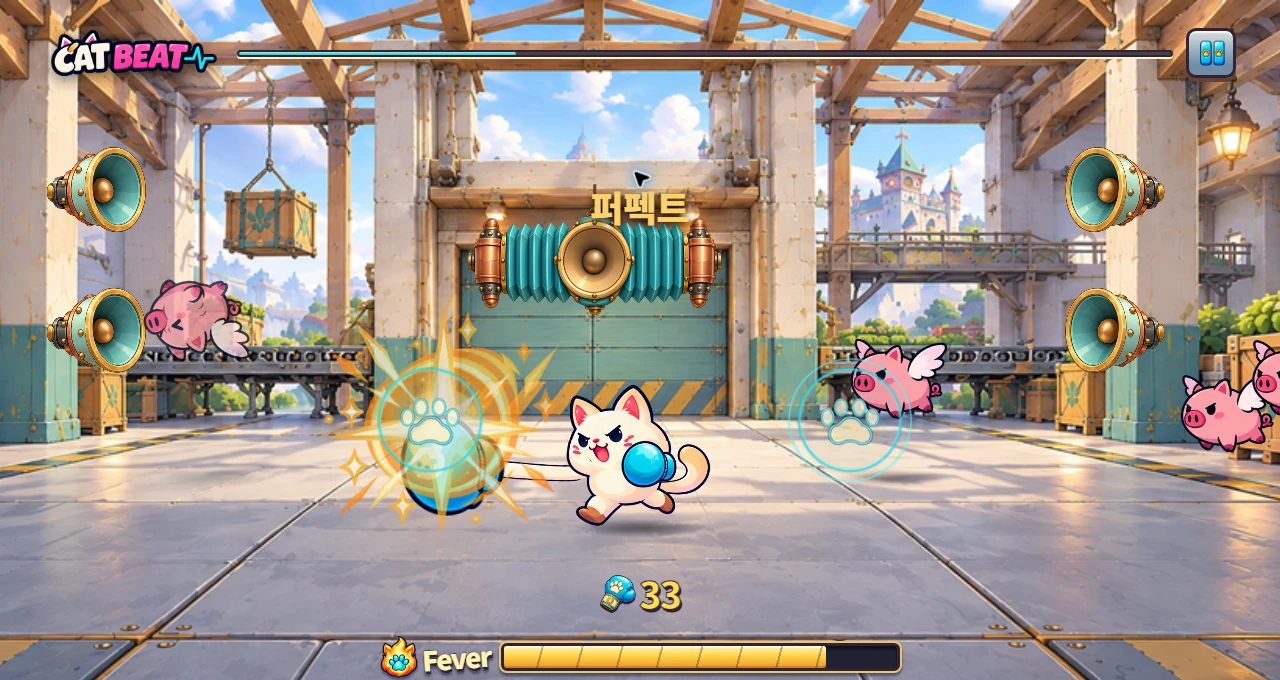
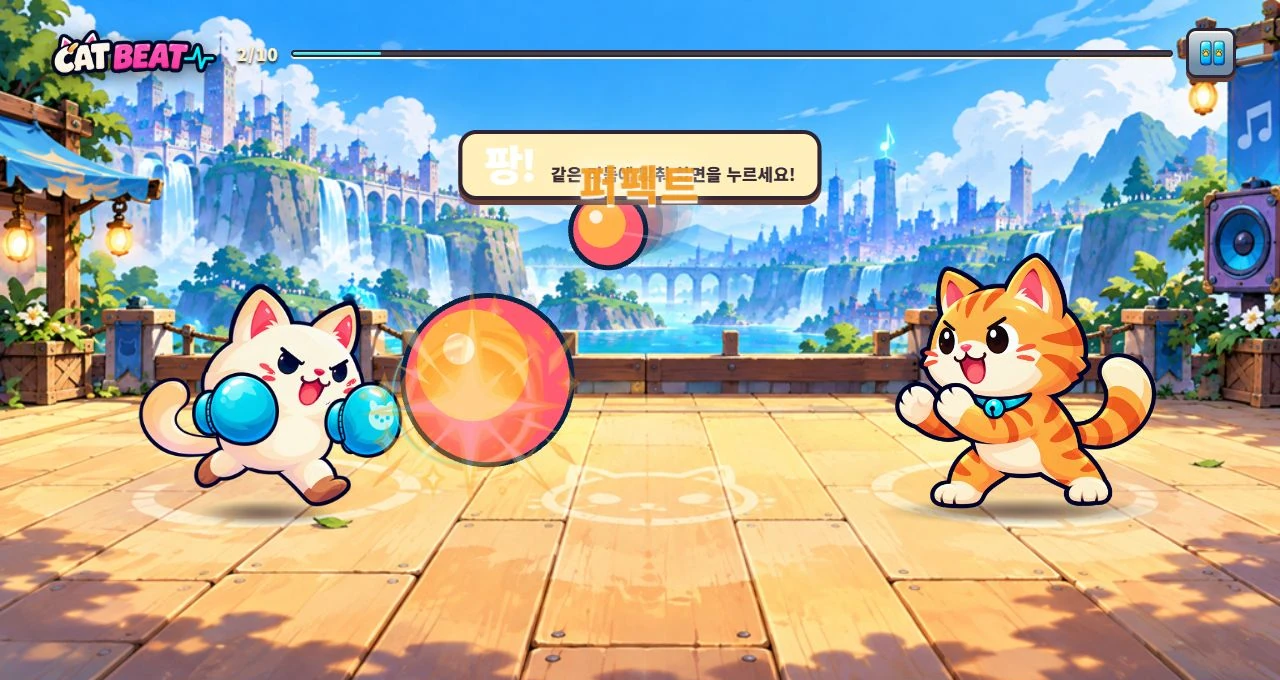
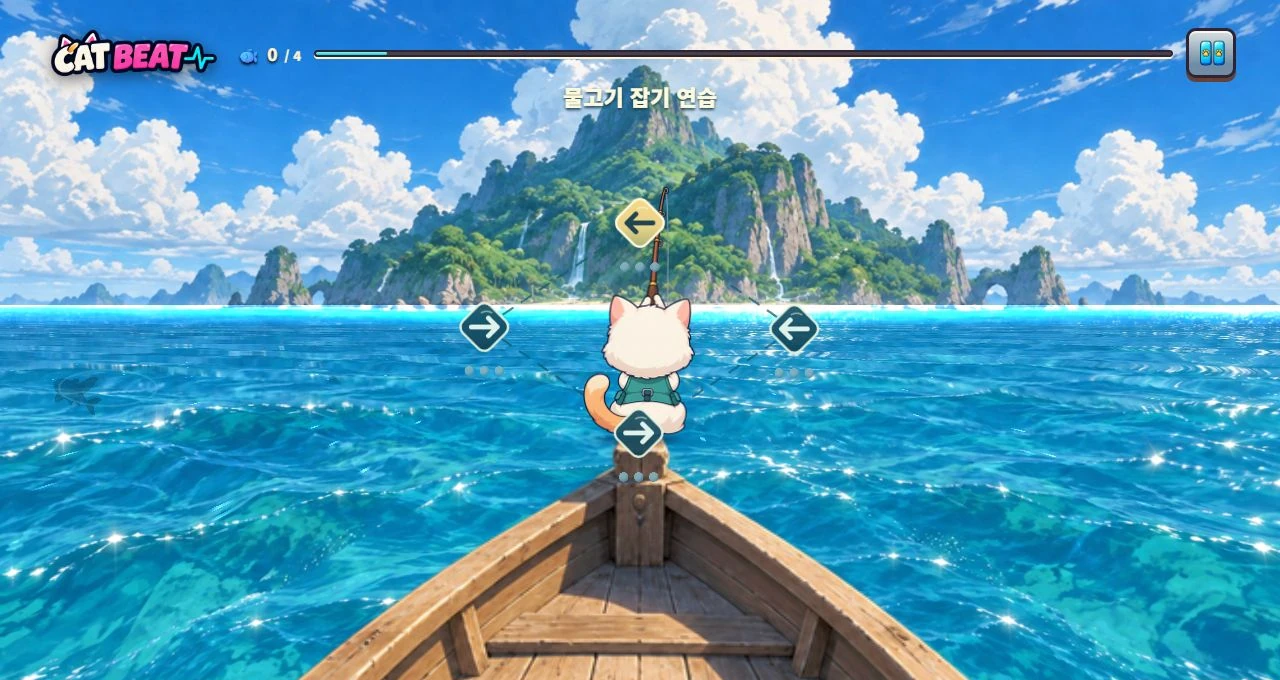
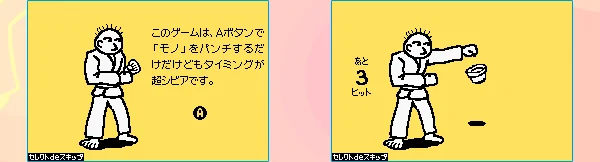
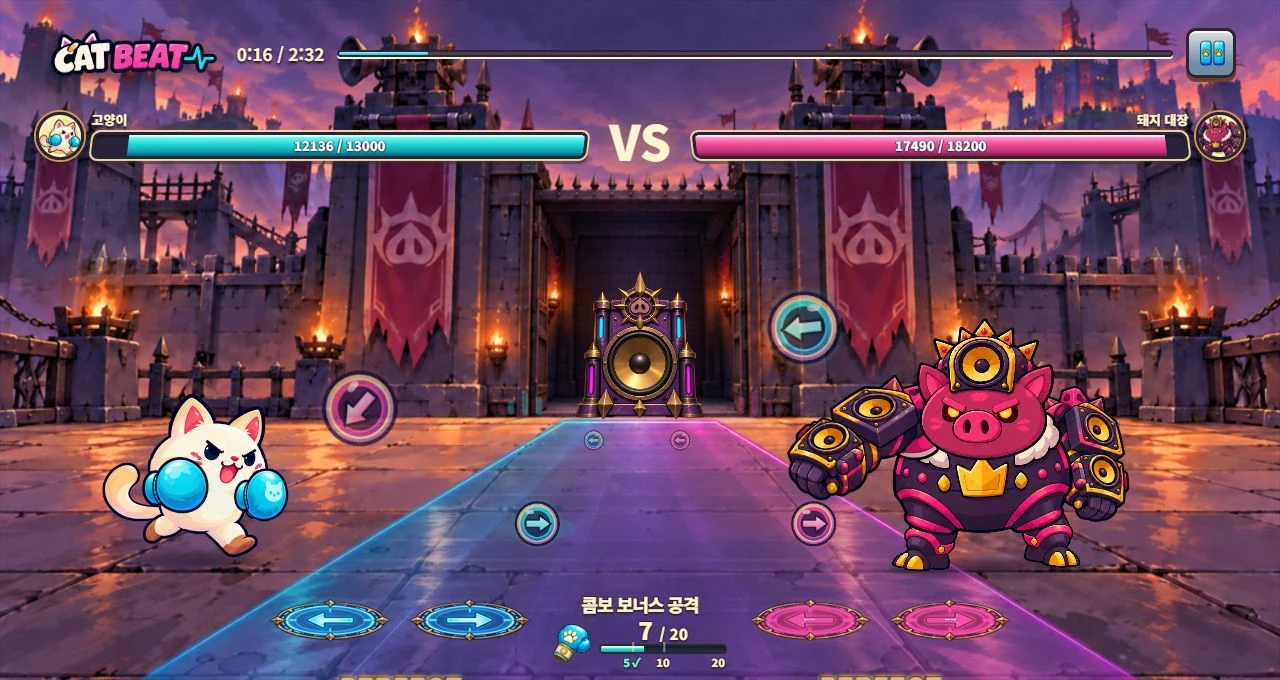
How to compare player inputs, anticipation and learning, using official Rhythm Doctor and Hollow Knight descriptions alongside Rhythm Tengoku and CAT BEAT examples.
An examination of the Osu2MIR paper and public repository: how osu! timing points become beat and downbeat annotations, how those differ from gameplay targets, and how the study selects and evaluates its data.
A comparison of the September 22, 2026 Web Audio API 1.1 Working Draft with the first 2024 draft, focusing on OfflineAudioContextOptions.length and the checks needed to connect specification changes to browser behavior.
Boxing tests timing, VS Boss tests pattern memory and Cat's Day tests target recognition. Development screenshots show how the same controls support different kinds of play.
How to design a core loop, using Nintendo's rhythm games, Valve's work on visual clarity and pacing, and the original MDA paper. Covers cues, choices, input feedback, learning, tension and a 16-target comparison exercise.
How to write a playtest report, drawing on Valve's published methods and the Portal postmortem. Covers research questions, facilitator scripts, observation records, units of analysis and revision decisions, with five fictional sessions and a report template.
A two-bar example at 120 BPM shows how accents, rests and direction changes shape a chart. Includes a CSV and separates required inputs from the sounds played by each instrument.
Seven hypothetical inputs show how a 45 ms median differs from a 61 ms mean. Covers correction signs, audio output conditions and variation between attempts.
Compare drum placement and input targets at 120 BPM, hear half-time and tempo changes separately, and distinguish a mixed WAV, individual stems and scheduled event times.
An MDA analysis of a timing-game example, connecting rules, interactions and experience while keeping observed behavior separate from participants' impressions.
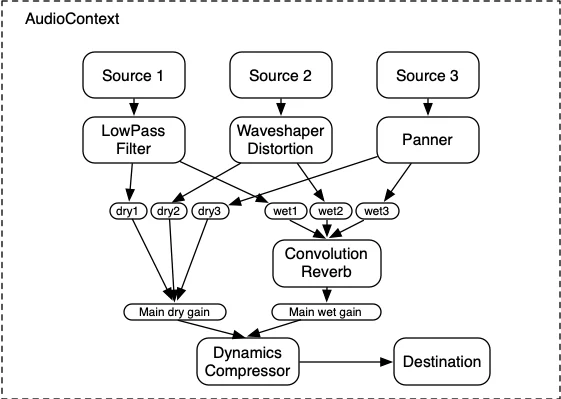
An explanation of two-clock audio scheduling based on Chris Wilson's technical guide. Includes a four-beat example at 120 BPM and the trade-offs of different scheduling horizons.
How to investigate a silent web game by checking user actions, AudioContext state and file loading, including first playback and returning after an app switch.
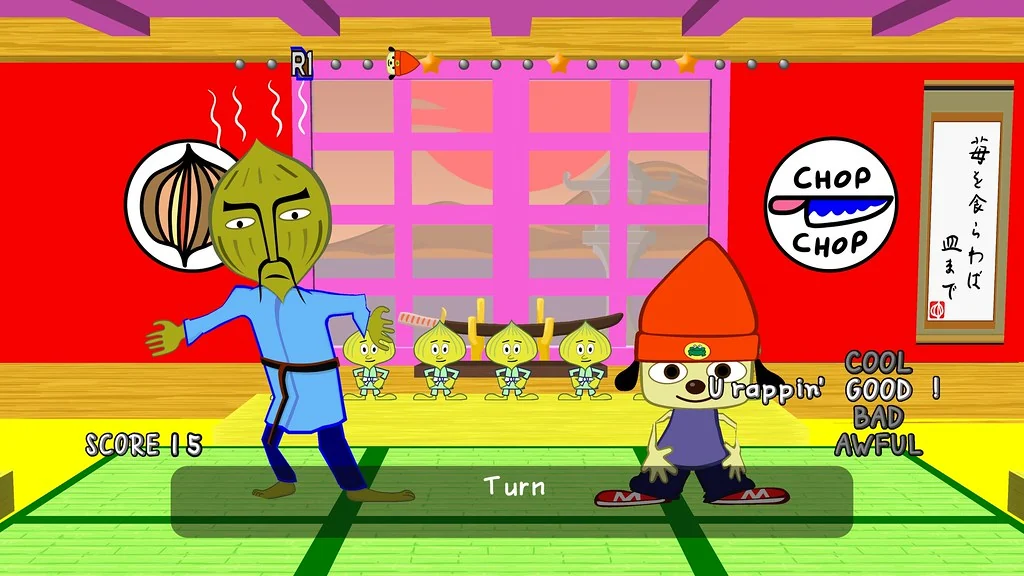
PaRappa's teacher-led rap gives button patterns a place in the story. A look at call and response, beginning with the Japanese PlayStation release in 1996.
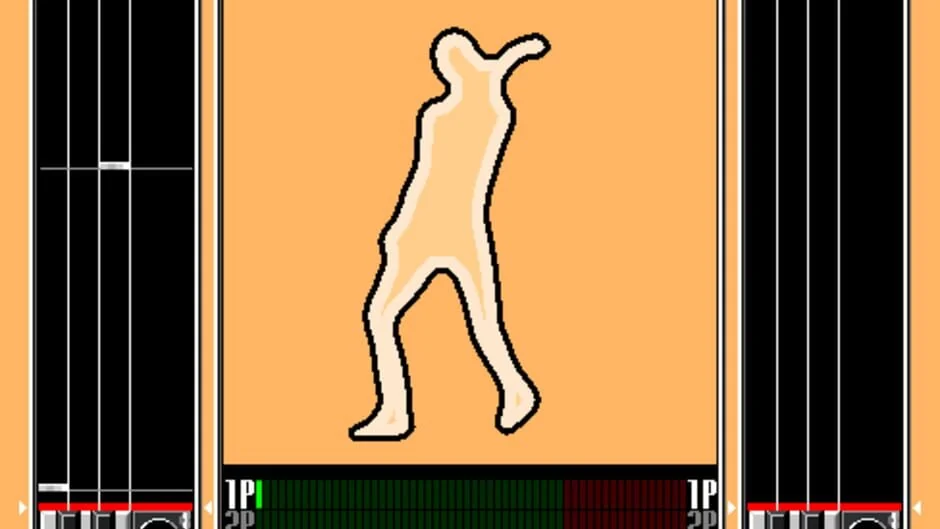
Five keys, a turntable and matching screen lanes define beatmania's 1997 arcade controls. Their relationship helps explain why musical tempo and chart density create different demands.
Direction cues meet movement preparation in DDR, which debuted in Japanese arcades in 1998. Later freeze-arrow guides and Pump's panel layout offer further points of comparison.
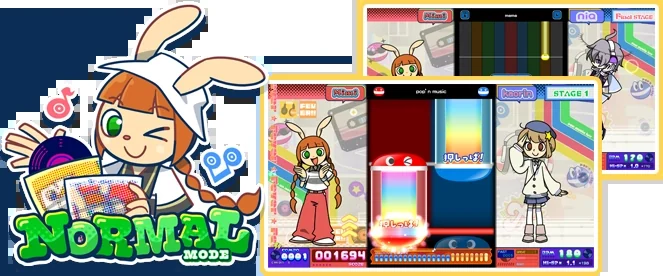
Buttons, songs and characters give pop'n music distinct ways to welcome players and develop their skills. An examination of the series that began in arcades in 1998.
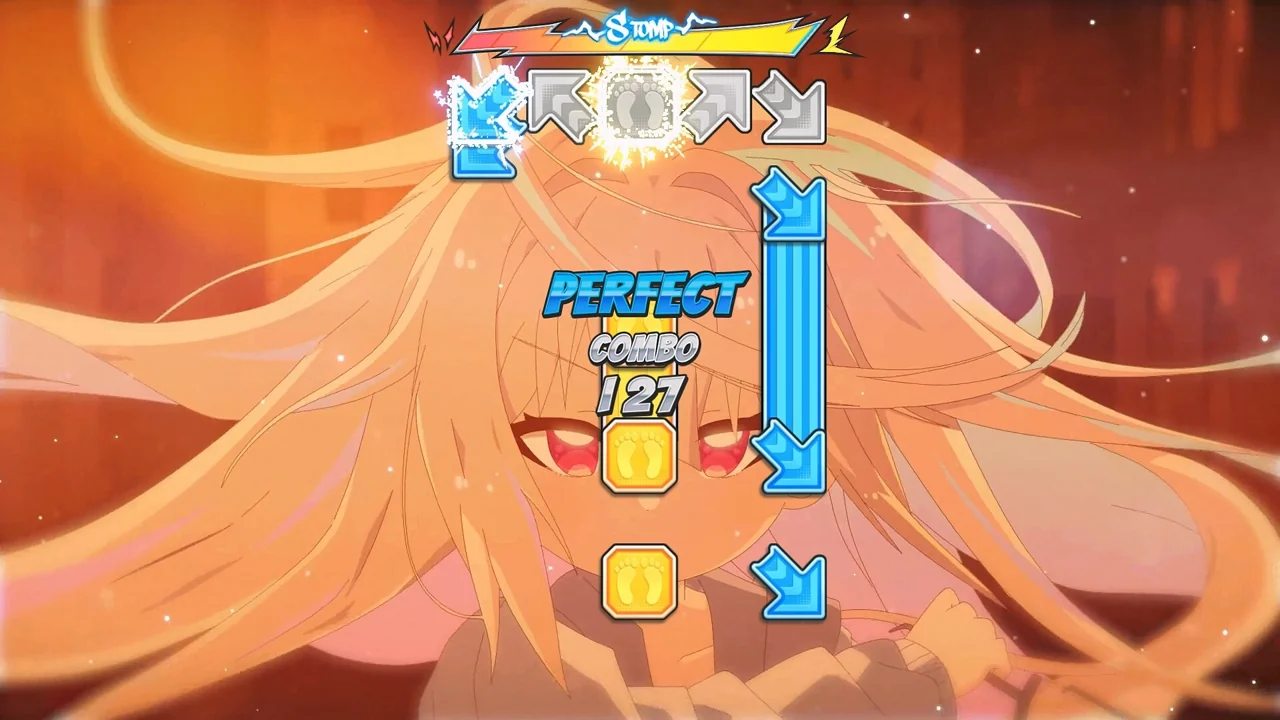
Pump's four diagonals and center create different routes from DDR's panel layout. The South Korean arcade game began in 1999; its movement demands show why note count tells only part of the story.
IIDX's seven keys and turntable, GUITARFREAKS and drummania give the hands and feet different jobs. Their controls distinguish the number of inputs from the actions needed to perform them.
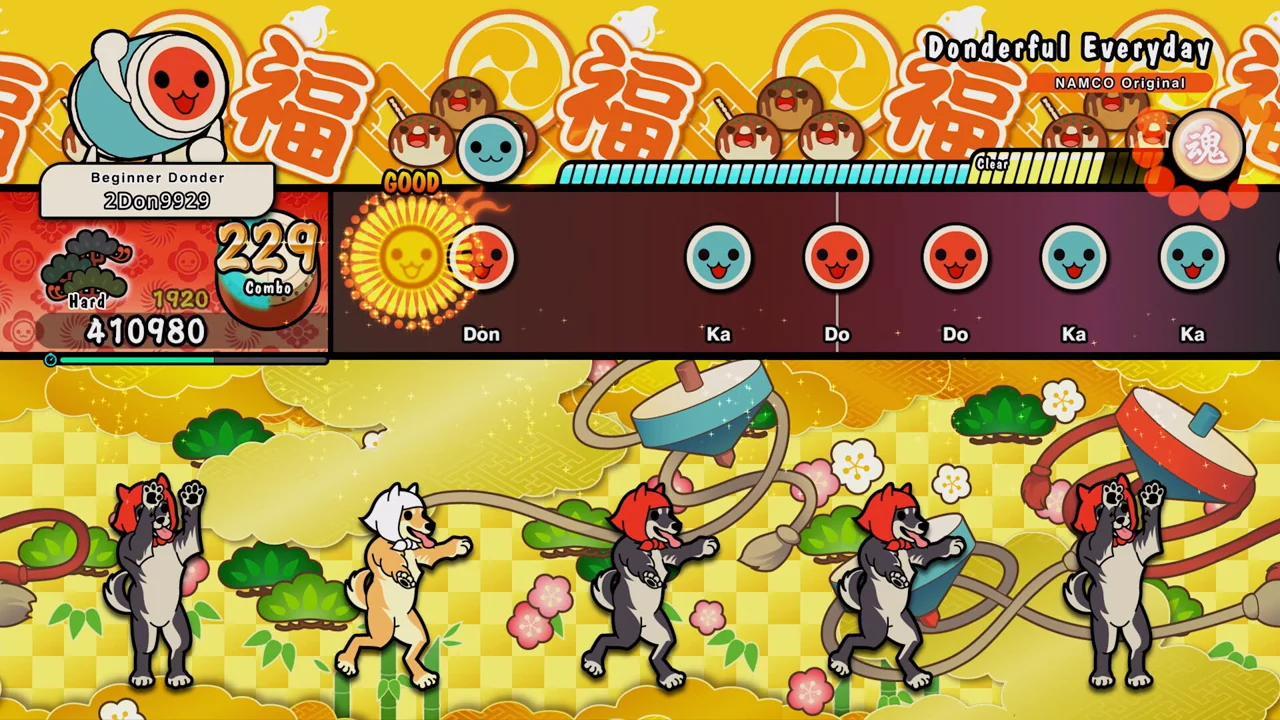
Drumhead and rim strikes define Taiko no Tatsujin's basic controls. Starting with the 2001 arcade debut, the article examines those actions alongside the drums, characters and song selection.
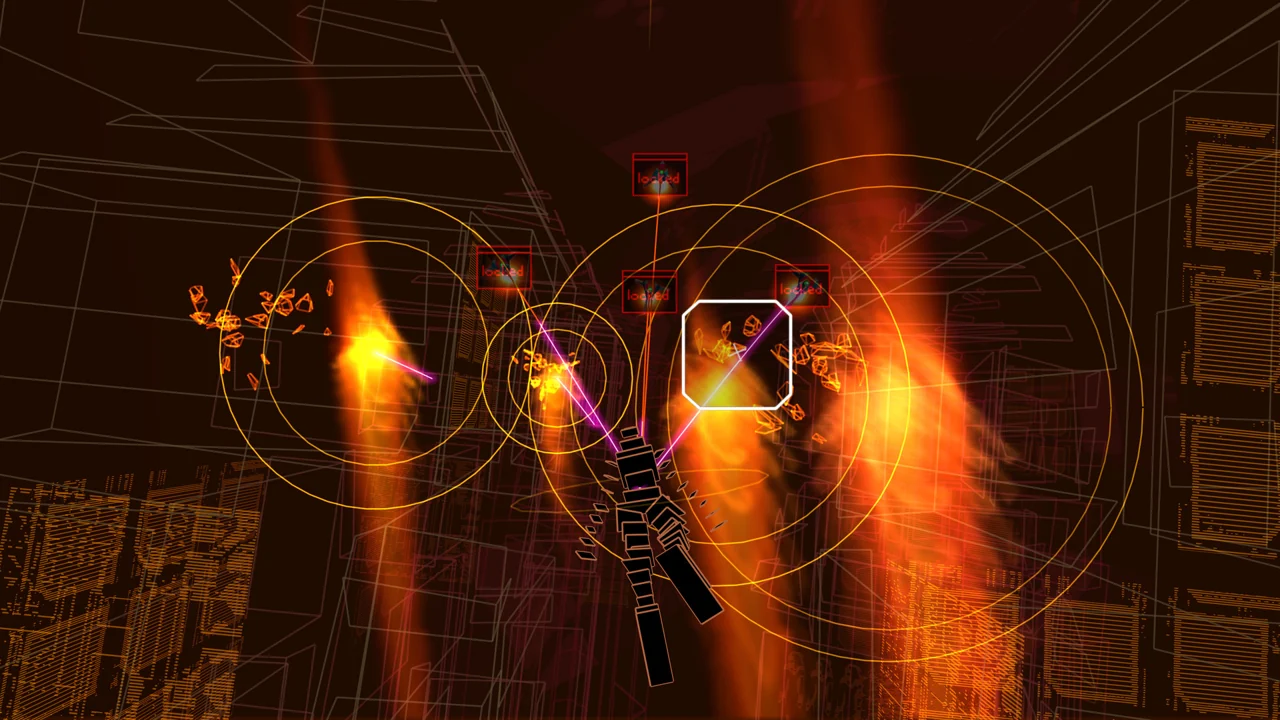
Rez turns aiming and attacking into contributions to audiovisual rhythm. The article separates the 2001 original from the later Rez Infinite pictured in its examples.
One DJMAX song can support different charts and button configurations. An examination of those choices, with the 2004 online-service origins distinguished from the later RESPECT V.
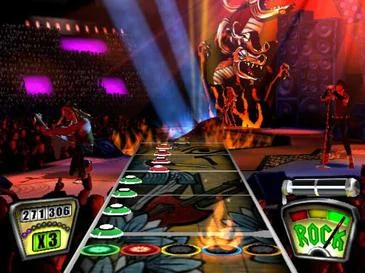
Guitar Hero's 2005 controller gives one hand the frets and the other the strum bar. The resulting coordination connects timed inputs to the role of an on-stage performer.
Ready sounds and movements teach intervals in Rhythm Tengoku. Developer interviews and the official karate guide explain that approach in the 2006 GBA game.
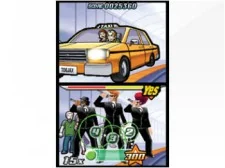
Taps, slides and spins share the DS with a story playing on its upper screen. Nintendo's manual for the 2006 North American Elite Beat Agents explains how the controls and two displays work together.
osu!'s 2007 records connect position-and-timing play with an editor and shared charts. Tests, public release, forums and ranking features mark separate stages in that development.
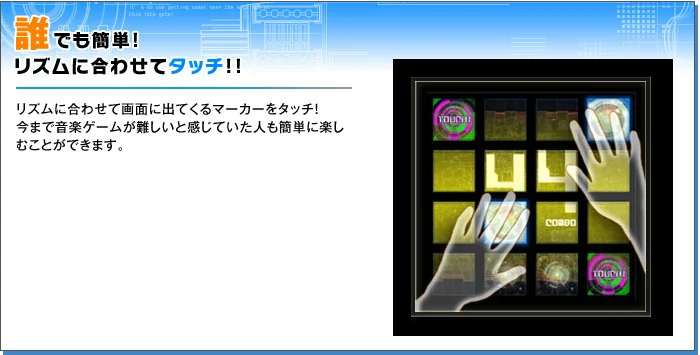
Sixteen panels put timing cues at the point of contact in jubeat, introduced in 2008. The 4×4 layout also asks players to divide attention and manage hand occlusion.
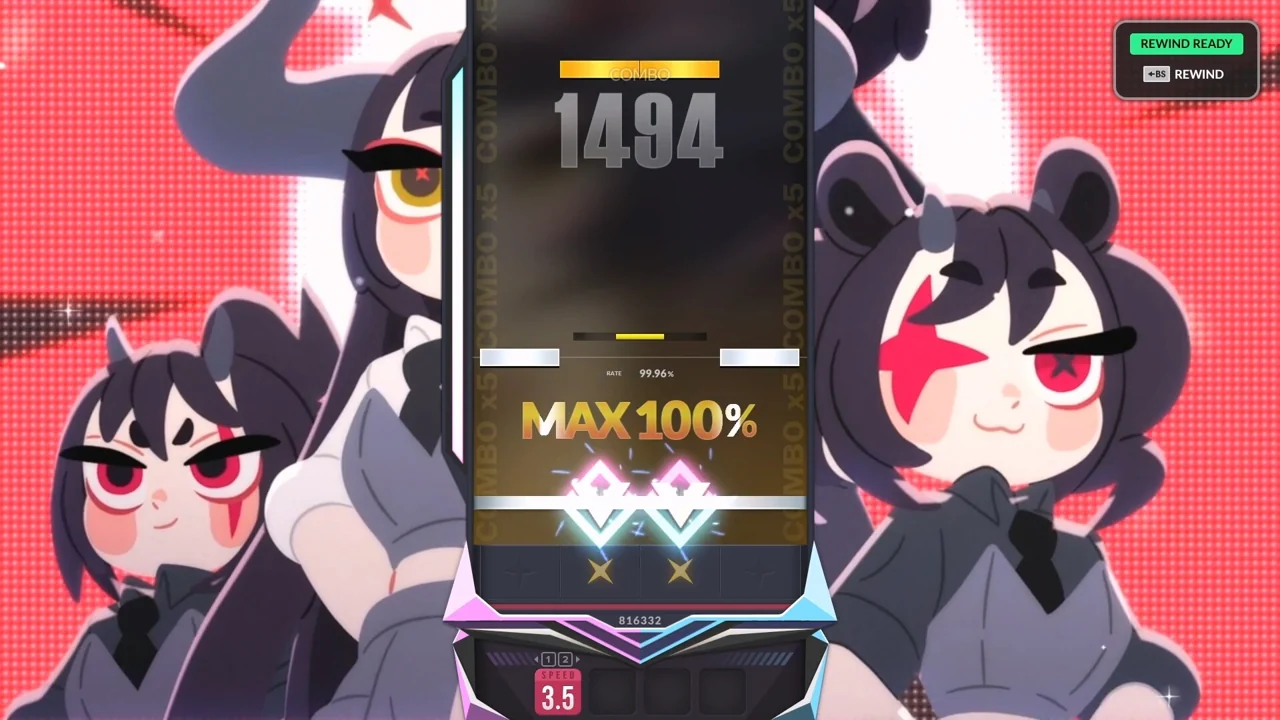
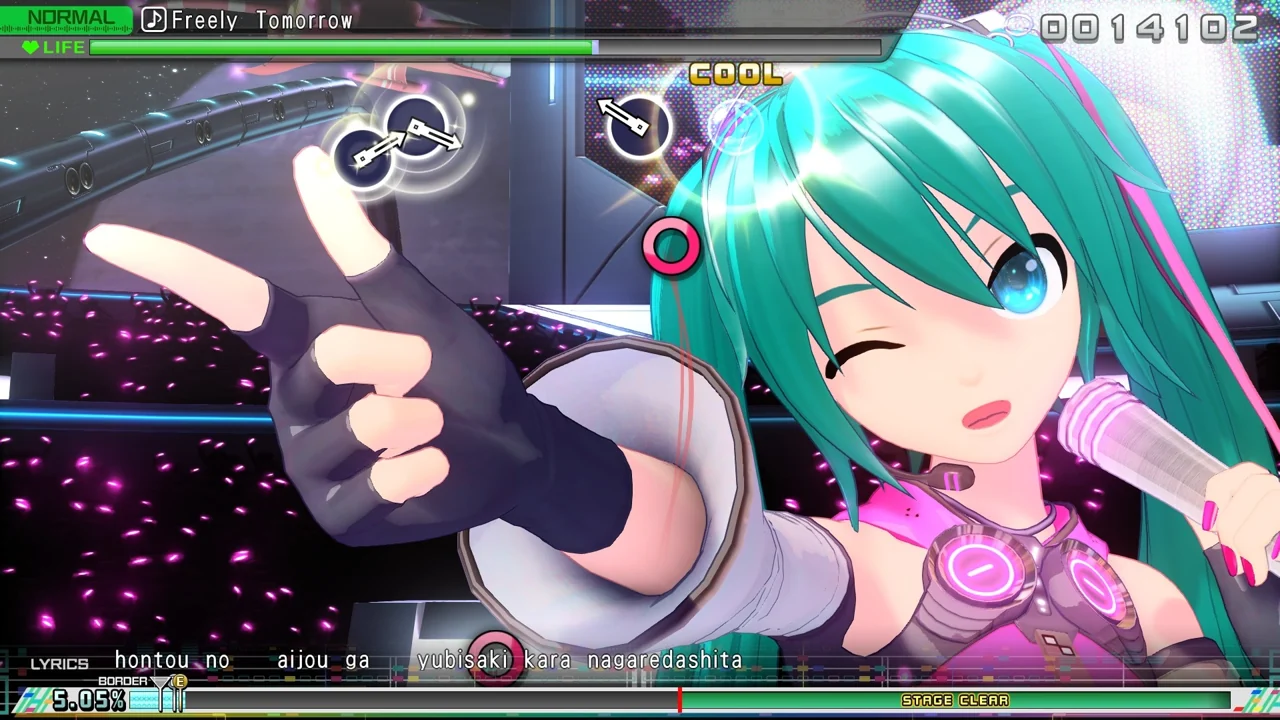
Character performances and timed inputs share the Project DIVA screen. The article traces the 2009 PSP original and arcade expansion while using the later Mega Mix+ to examine cue clarity over video.
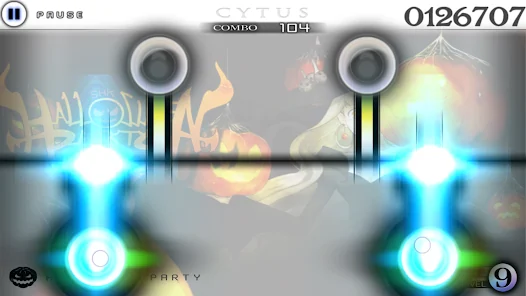
Cytus's moving scan line communicates timing across note positions. Beginning with the 2012 mobile game, the article follows the information players use from song selection through play to results.
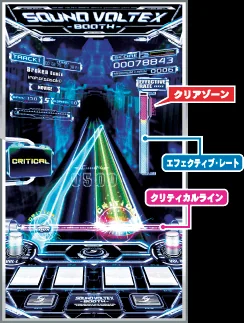
Buttons and rotary controls create discrete and continuous actions in SOUND VOLTEX BOOTH. Its official 2012 instructions explain how an input starts, continues and ends.
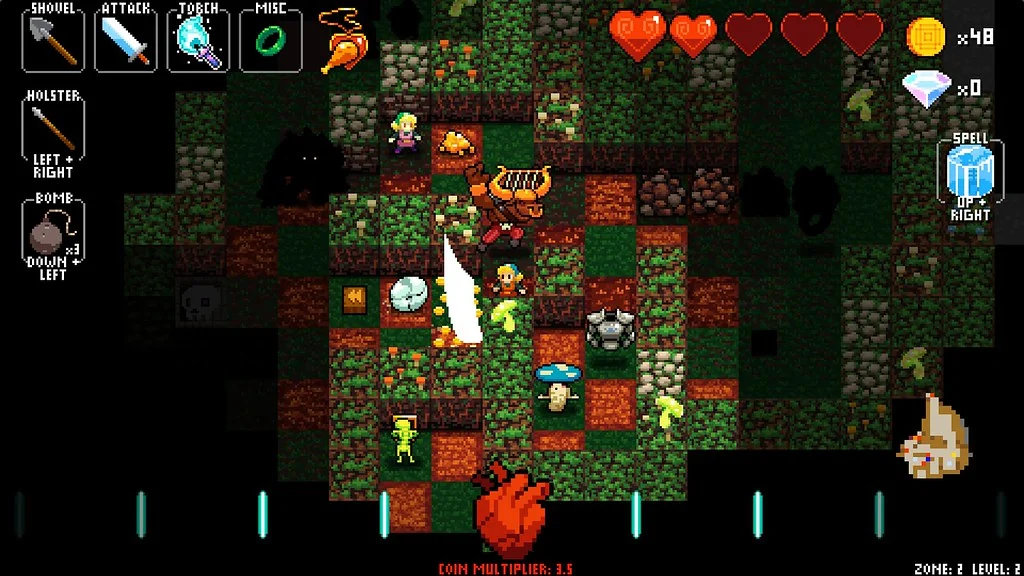
Crypt of the NecroDancer joins rhythm inputs to dungeon choices in its 2015 PC version. Timing mistakes and route decisions require different explanations of the same result.
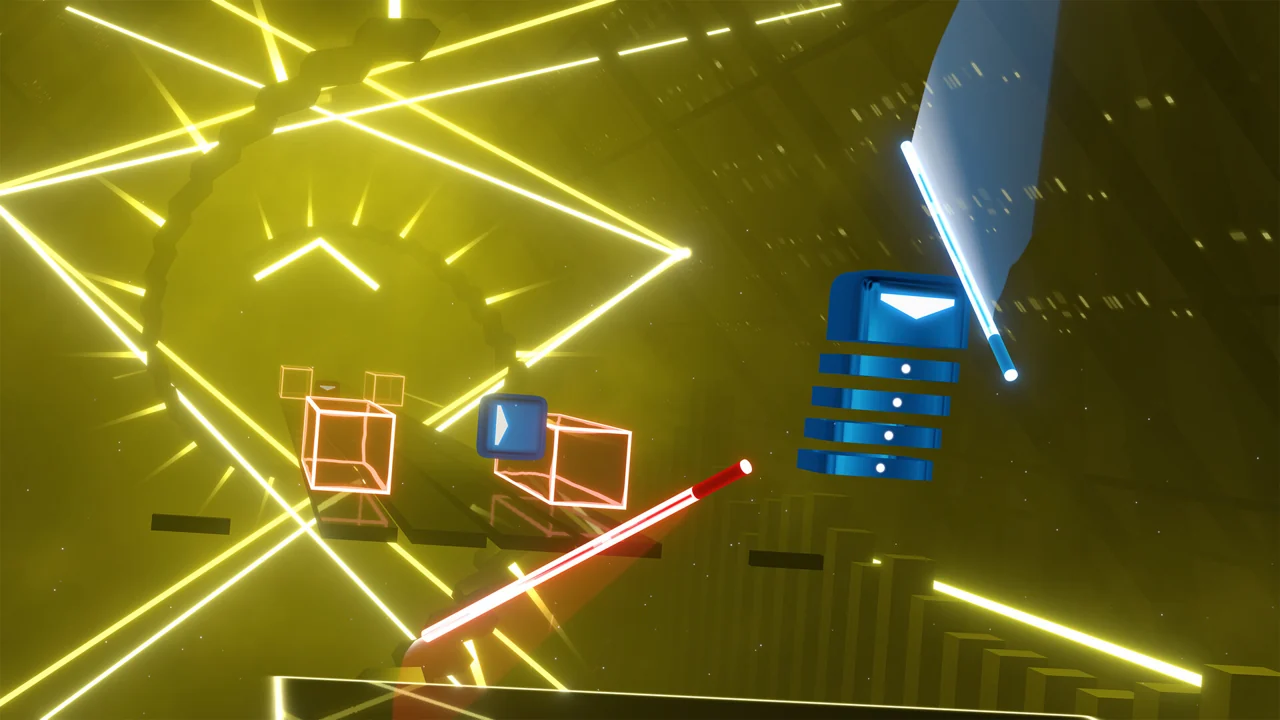
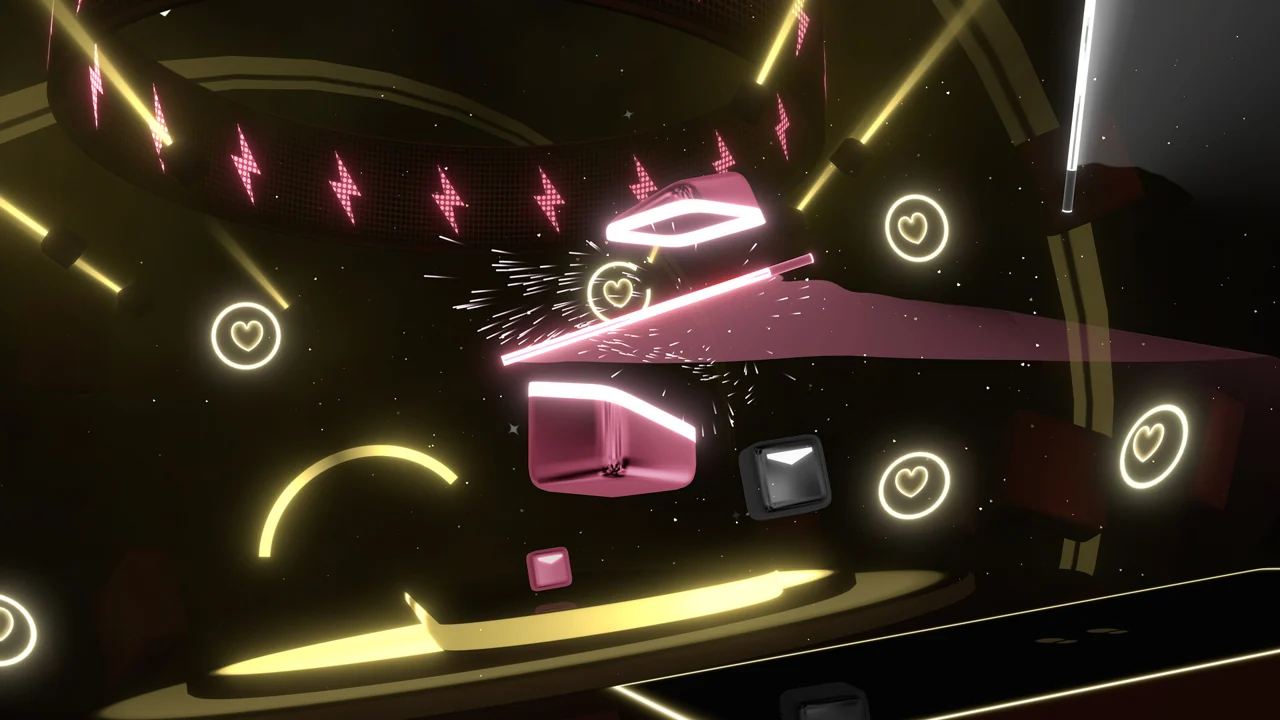
Color and direction cues become arm movements in Beat Saber. The date reference is the 2018 PS VR release; later APT. screenshots illustrate song-specific staging.
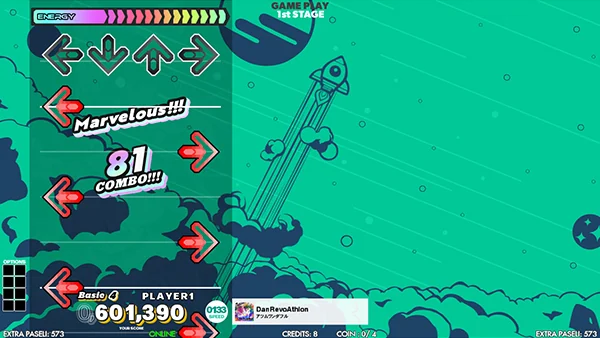
Andamiro's July 1 announcement introduces a green theme, Note Timing menu changes, UI improvements and Pumbility revisions. It schedules a July 9 Korean release and July 20 US shipping as plans at announcement.