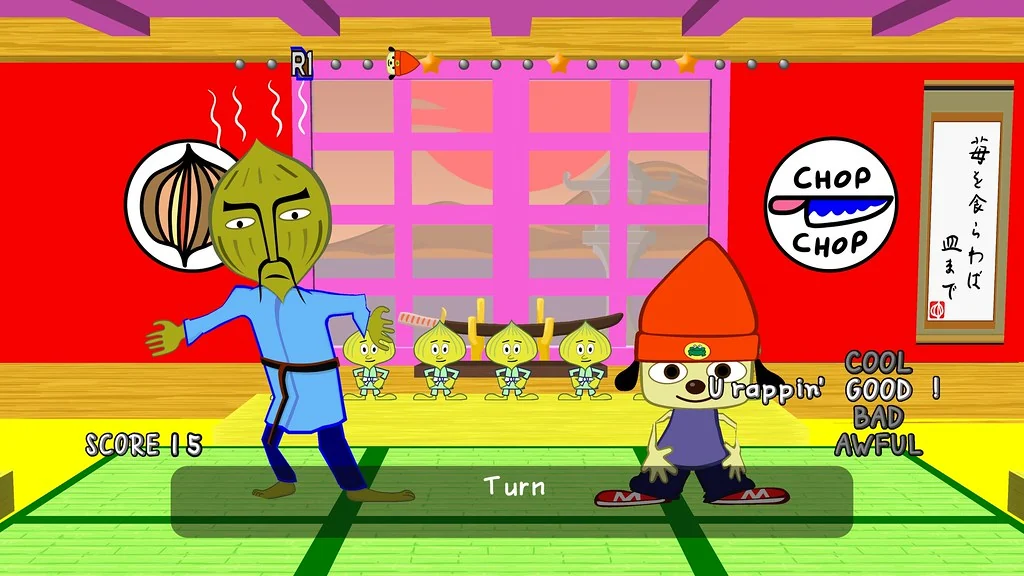
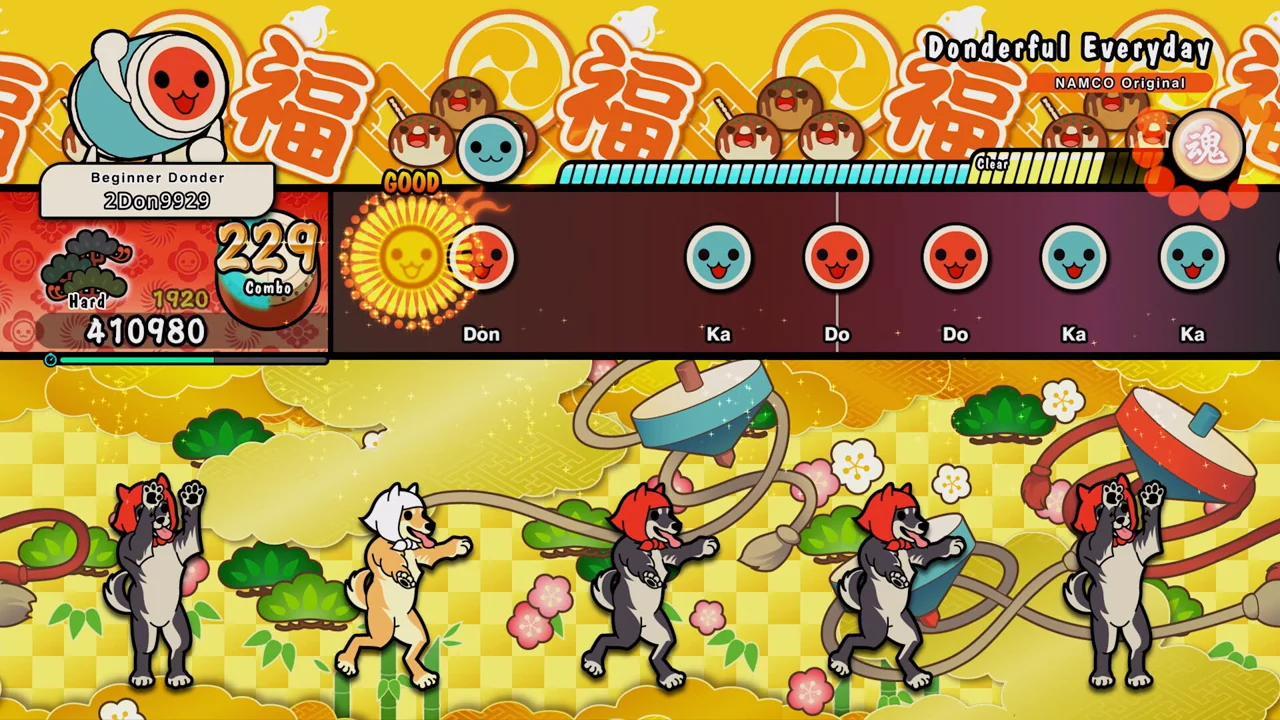
PaRappa the Rapper turns a teacher's rap into a button-based call and response. Players listen, then perform the pattern on their turn. Released for PlayStation in Japan in 1996, the game builds each lesson around a character situation that gives the inputs both an order and a purpose.
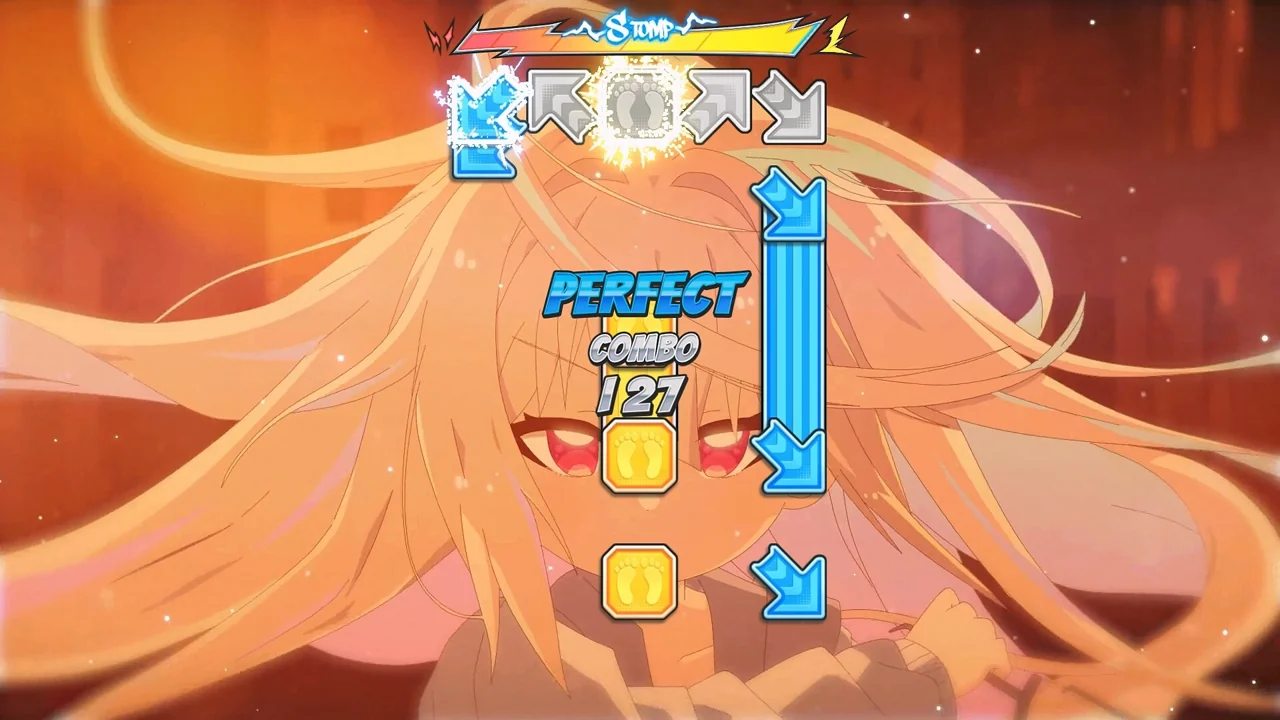
Pump It Up's five panels place a center between four diagonals. With the same number of notes, a different route across those positions changes how the player prepares each step.
Andamiro's July 1 announcement introduces a green theme, Note Timing menu changes, UI improvements and Pumbility revisions. It schedules a July 9 Korean release and July 20 US shipping as plans at announcement.
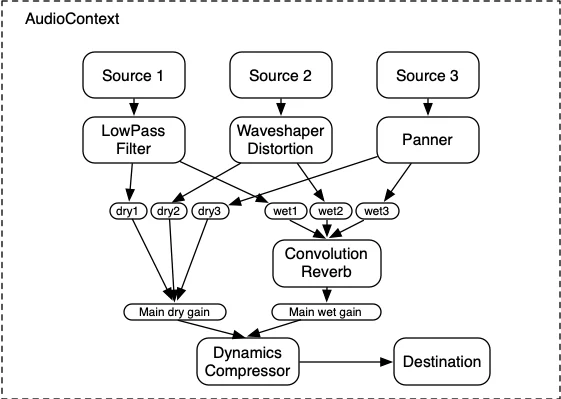
A comparison of the September 22, 2026 Web Audio API 1.1 Working Draft with the first 2024 draft, focusing on OfflineAudioContextOptions.length and the checks needed to connect specification changes to browser behavior.
A game design document translates the experience a team wants to create into rules, data, production requirements and tests. Published studio proposals and puzzle documents show how these pieces fit together. This guide examines those documents, then follows a feature from its initial specification through implementation and testing.
Charting starts with a musical choice: which sounds should the player follow? Those actions then need positions in the audio file. This guide uses two bars at 120 BPM, with a reference beat at 1.2 seconds, to connect those choices to a CSV and timing diagrams.
Seven hypothetical inputs show how a 45 ms median differs from a 61 ms mean. Covers correction signs, audio output conditions and variation between attempts.
Compare drum placement and input targets at 120 BPM, hear half-time and tempo changes separately, and distinguish a mixed WAV, individual stems and scheduled event times.
Osu2MIR extracts musical beat positions from information in game charts. Understanding how those positions differ from note-input timestamps is central to reading the work. This article follows audio matching, timing segments, selection and validation through the paper and the public file format.
A rule change reaches the player through what happens during play. This guide uses a timing-window example to connect MDA's three categories, then develops alternative adjustments and a way to evaluate one intended experience.
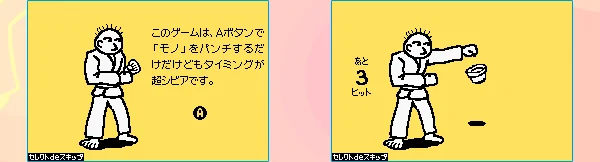
Ready sounds and movements teach intervals in Rhythm Tengoku. Developer interviews and the official karate guide explain that approach in the 2006 GBA game.
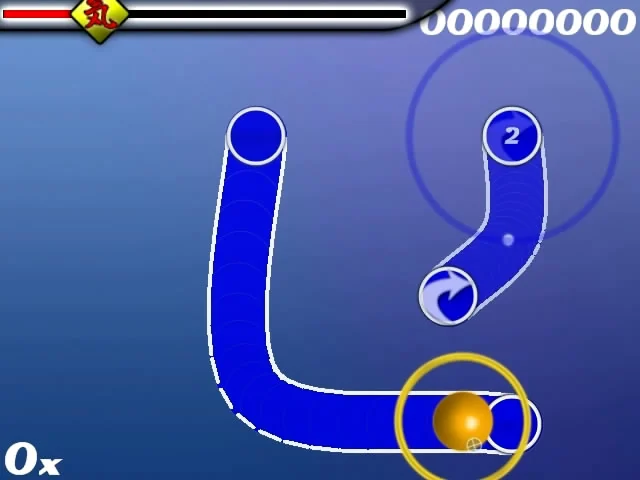
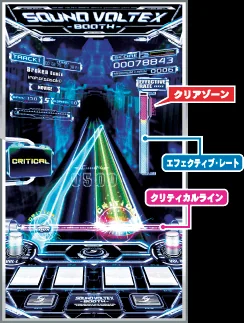
Buttons and rotary controls create discrete and continuous actions in SOUND VOLTEX BOOTH. Its official 2012 instructions explain how an input starts, continues and ends.
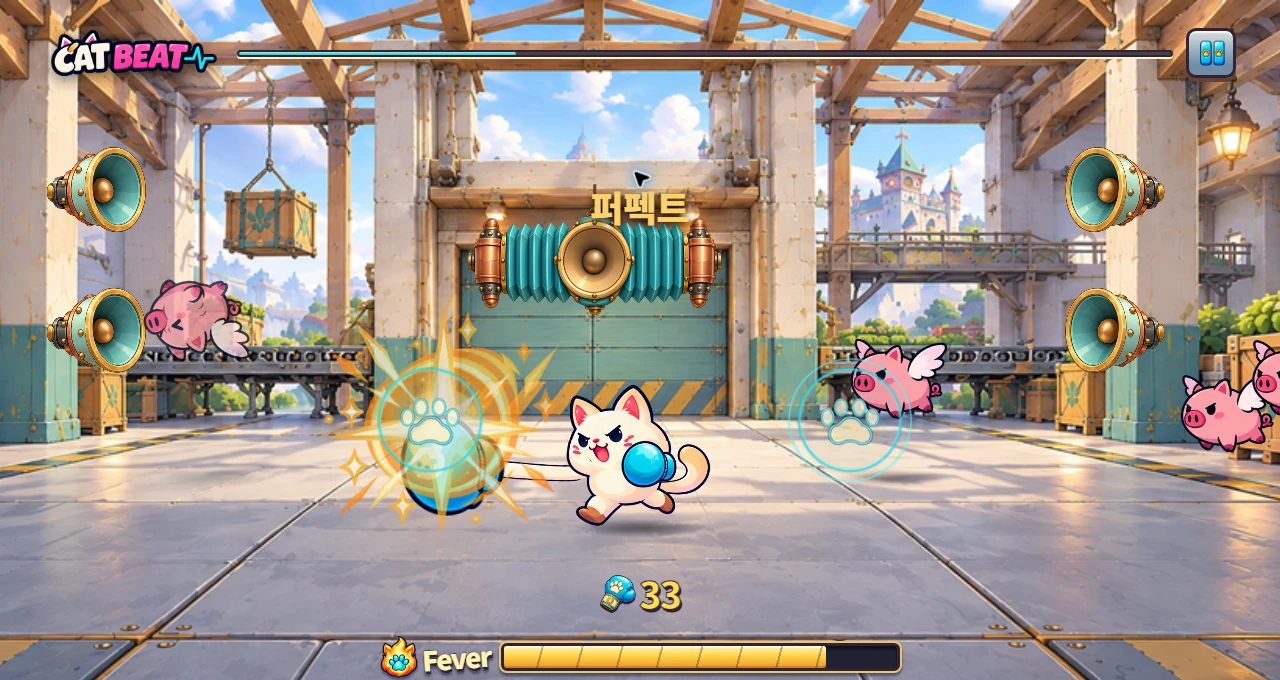
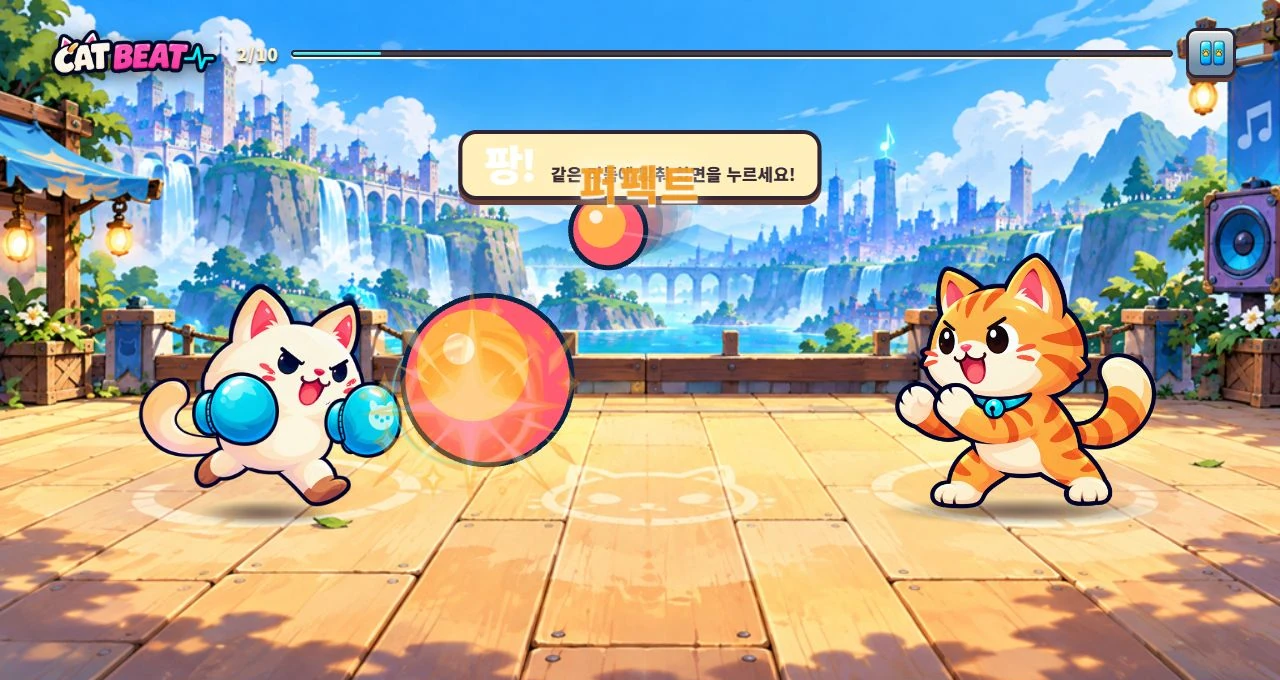
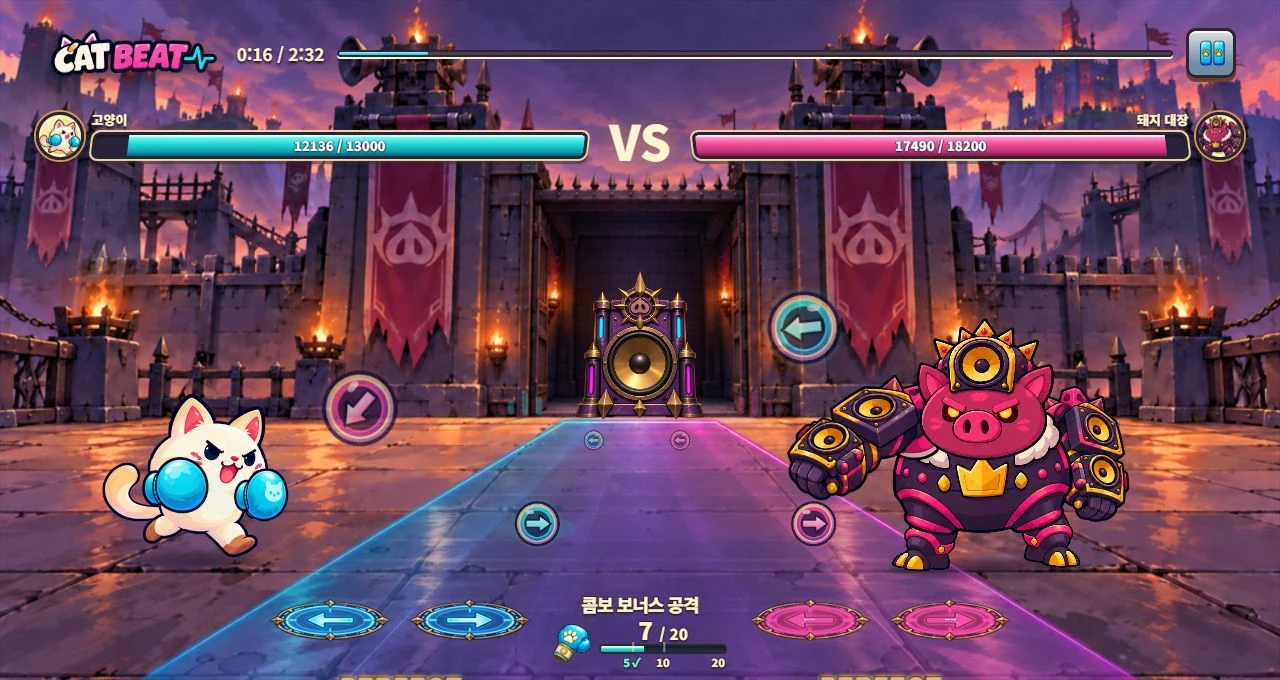
Boxing tests timing, VS Boss tests pattern memory and Cat's Day tests target recognition. Development screenshots show how the same controls support different kinds of play.