Rhythm-game history / Historical analysis
1999: IIDX and the rise of instrument-shaped controls
KONAMI's chronology records beatmania IIDX, GUITARFREAKS and drummania in 1999. Within music games, keys and scratching, guitars and drum-shaped controllers began demanding different actions.
Article summary
- IIDX combines seven keys with scratching.
- GUITARFREAKS and drummania branch into different instrument-shaped controllers.
- Compare button count separately from types of input action.
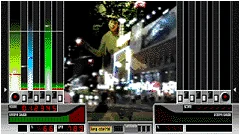
beatmania IIDX · Official original-product screenshot
Music visuals sit between seven-key and scratch lanes on each side. The official archived image is presented at its original resolution. Key lanes and scratching correspond to different hand movements.
Image credit: KONAMI · Source page ↗ · Original image ↗

Basic controls
- Read key lanes separately from the scratch lane.
- Press keys or operate the turntable at the lower judgment position.
- Examine seven-key coverage alongside hand movement.
Seven keys and scratching
IIDX's original product guide introduces seven keys and scratching. Beyond covering more keys, players allocate two kinds of action between their hands. Fast repeated taps and switches between movements create different demands.
Instrument games arriving in the same year
KONAMI's history also places GUITARFREAKS and drummania in 1999. Their instrument-shaped controllers assign distinct jobs to hands and feet. The comparison here uses the year-level dates given in that record.
Controls and features at a glance
| Element | What the player does | Play characteristic |
|---|---|---|
| IIDX | Keys and turntable | Allocation of roles between hands |
| GUITARFREAKS | Guitar-shaped controls | Combining holding and strumming |
| drummania | Drum-shaped controls | Connect multiple striking positions |
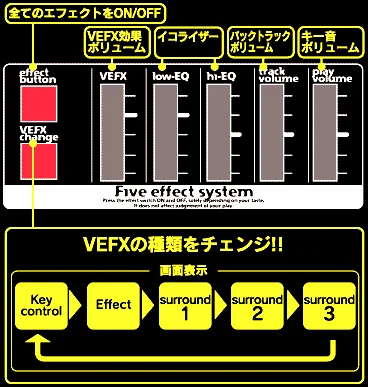
Early beatmania IIDX · Official effects guide
An effects-control screen introducing adjustment of the sound's character separately from note judgment.
Image credit: KONAMI · Source page ↗ · Original image ↗

Different controls ask for different decisions
A new controller can add input positions, introduce a held duration or change one hand's job. Describe how an action starts, changes and is sustained alongside what the device looks like.
Separate sound controls from judgment
Early IIDX material also introduces effects that change timbre. Note scoring evaluates timing and position; effects controls alter the sound. Looking at lanes, scratching and audio settings separately makes each control's role clear.
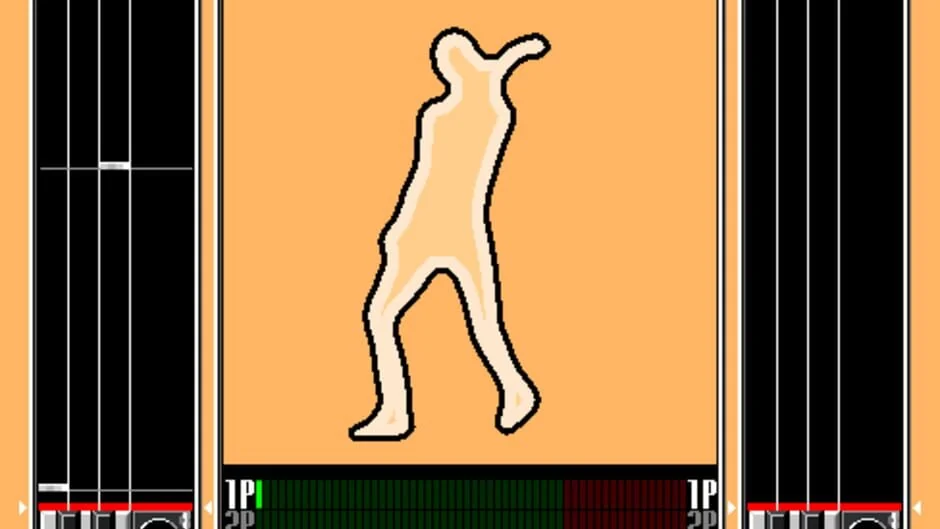
beatmania · Archived arcade screenshot
Vertical lanes identify input positions around the central music visuals. Players press keys or scratch as objects reach the line below. This control-guide screen comes from the official material page.
Image credit: KONAMI · Image archive: Retrorama · Source page ↗ · Original image ↗

Expand the rules without adding buttons
The same number of controls can support pattern recall, target selection or timing reactions. Adding hardware and changing the rules are separate options. Comparing instrument-based games helps identify the new responsibility a design gives the player.
Sources & scope
Years and basic controls follow official KONAMI history and guidance. The article compares input roles in the key-, guitar- and drum-based games introduced in 1999.