History
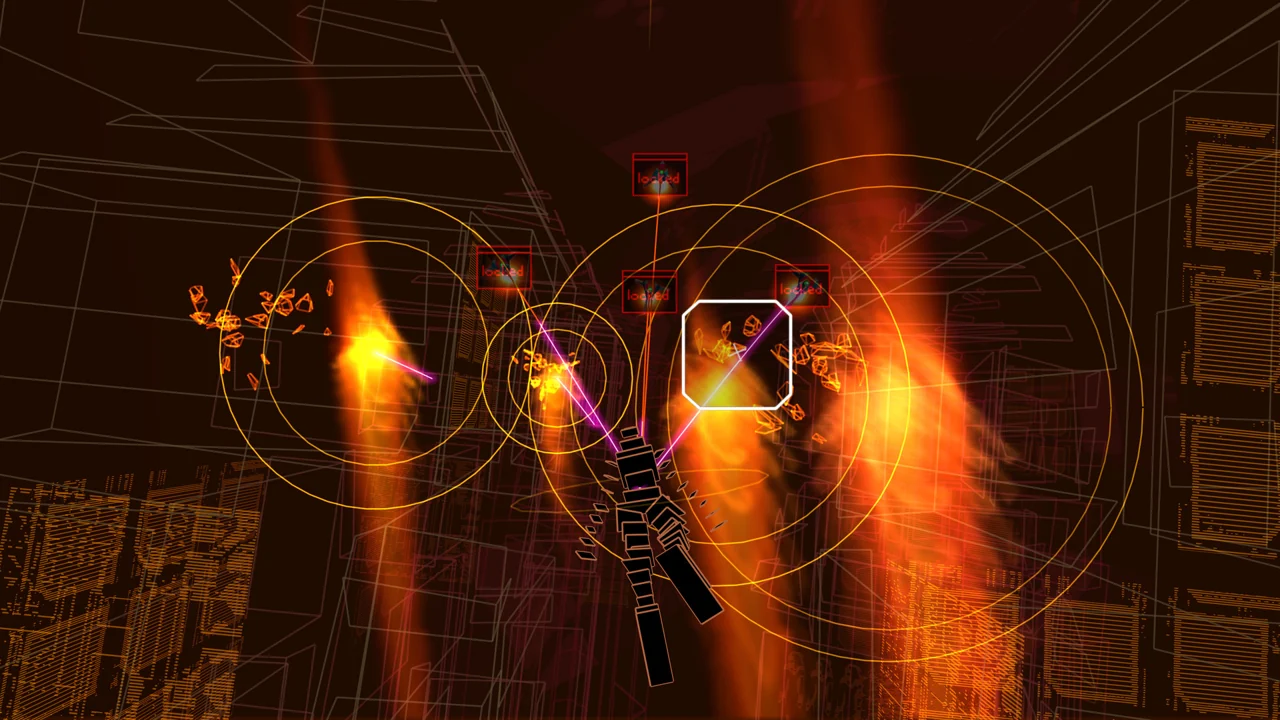
Rez: aiming and firing through sound, light and vibration
Rez turns aiming and attacking into contributions to audiovisual rhythm. The article separates the 2001 original from the later Rez Infinite pictured in its examples.
Game design, rhythm and audio technology
20 games through changes in music, input and feedback
Rez turns aiming and attacking into contributions to audiovisual rhythm. The article separates the 2001 original from the later Rez Infinite pictured in its examples.
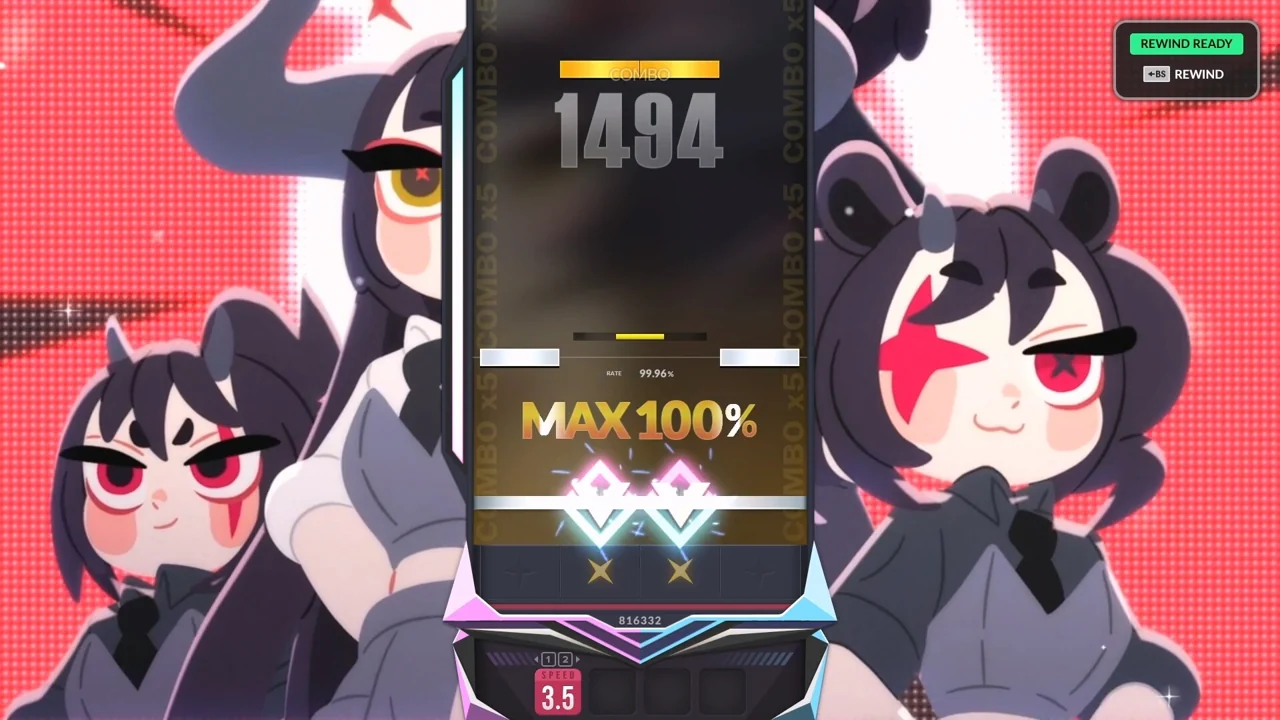
One DJMAX song can support different charts and button configurations. An examination of those choices, with the 2004 online-service origins distinguished from the later RESPECT V.
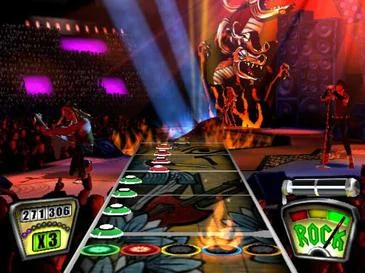
Guitar Hero's 2005 controller gives one hand the frets and the other the strum bar. The resulting coordination connects timed inputs to the role of an on-stage performer.
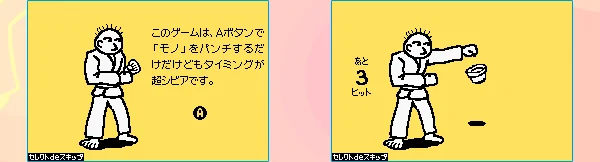
Ready sounds and movements teach intervals in Rhythm Tengoku. Developer interviews and the official karate guide explain that approach in the 2006 GBA game.
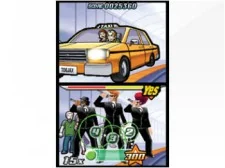
Taps, slides and spins share the DS with a story playing on its upper screen. Nintendo's manual for the 2006 North American Elite Beat Agents explains how the controls and two displays work together.
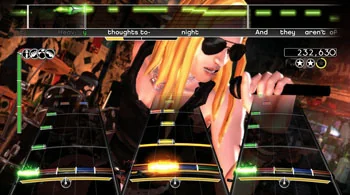
Guitar, drums and vocals divide the performance in 2007's Rock Band. Each part has its own inputs within a song that advances for the ensemble.
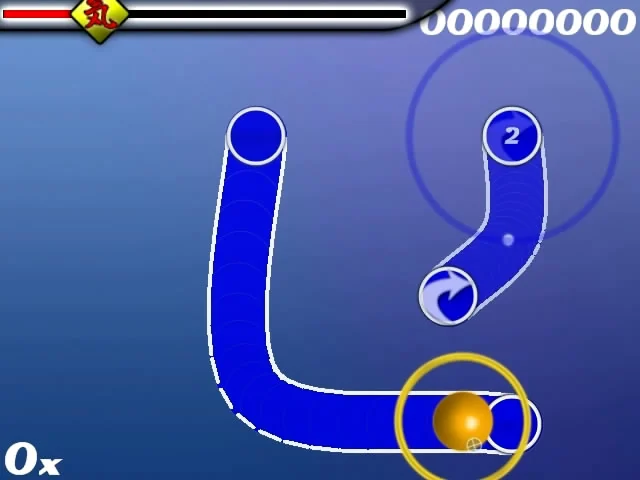
osu!'s 2007 records connect position-and-timing play with an editor and shared charts. Tests, public release, forums and ranking features mark separate stages in that development.