History
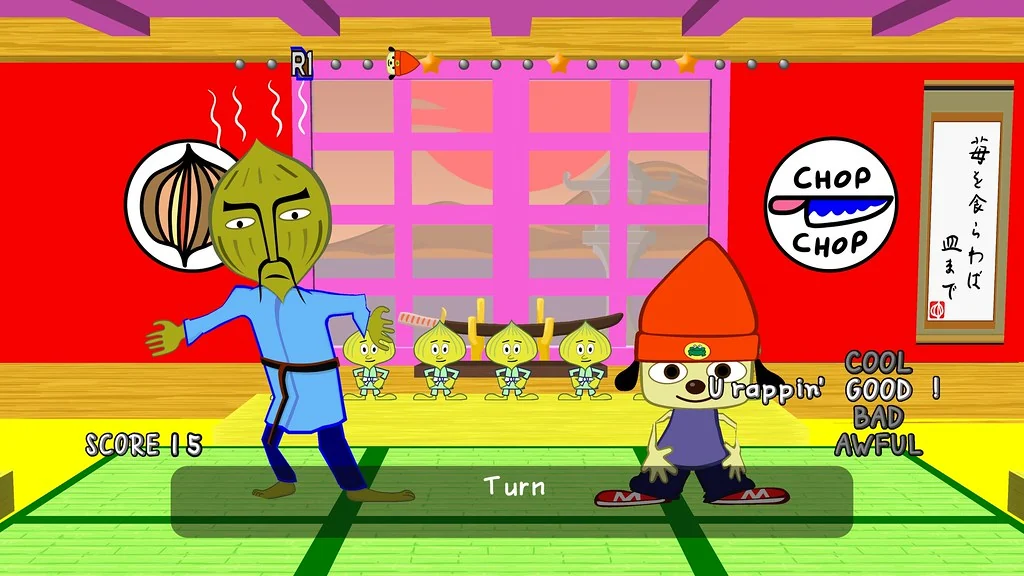
PaRappa the Rapper: call and response as a game
PaRappa's teacher-led rap gives button patterns a place in the story. A look at call and response, beginning with the Japanese PlayStation release in 1996.
Game design, rhythm and audio technology
20 games through changes in music, input and feedback
PaRappa's teacher-led rap gives button patterns a place in the story. A look at call and response, beginning with the Japanese PlayStation release in 1996.
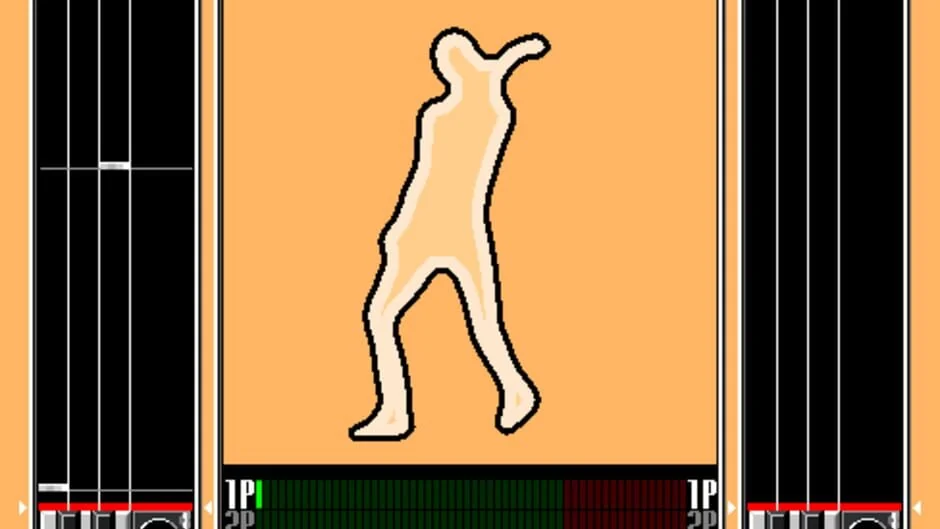
Five keys, a turntable and matching screen lanes define beatmania's 1997 arcade controls. Their relationship helps explain why musical tempo and chart density create different demands.
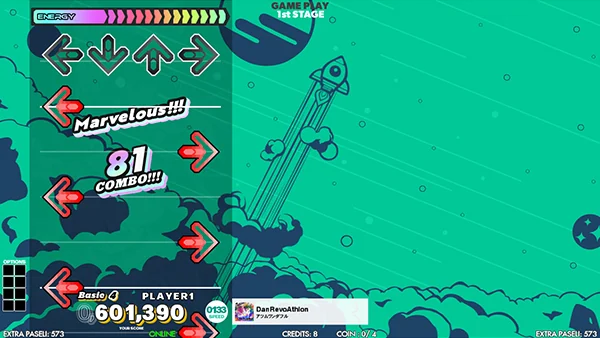
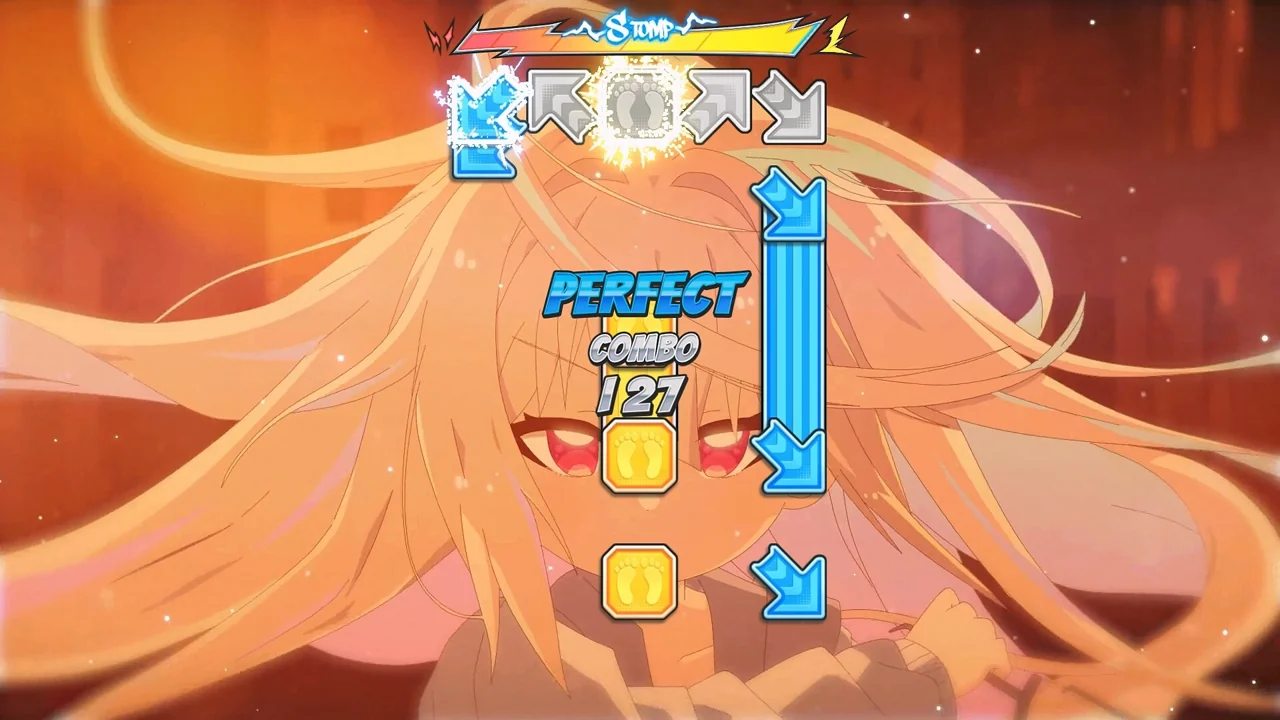
Direction cues meet movement preparation in DDR, which debuted in Japanese arcades in 1998. Later freeze-arrow guides and Pump's panel layout offer further points of comparison.
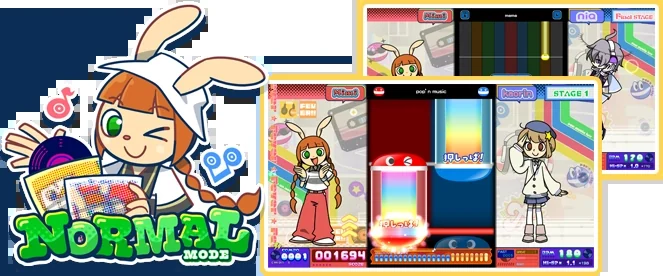
Buttons, songs and characters give pop'n music distinct ways to welcome players and develop their skills. An examination of the series that began in arcades in 1998.
Pump's four diagonals and center create different routes from DDR's panel layout. The South Korean arcade game began in 1999; its movement demands show why note count tells only part of the story.
IIDX's seven keys and turntable, GUITARFREAKS and drummania give the hands and feet different jobs. Their controls distinguish the number of inputs from the actions needed to perform them.
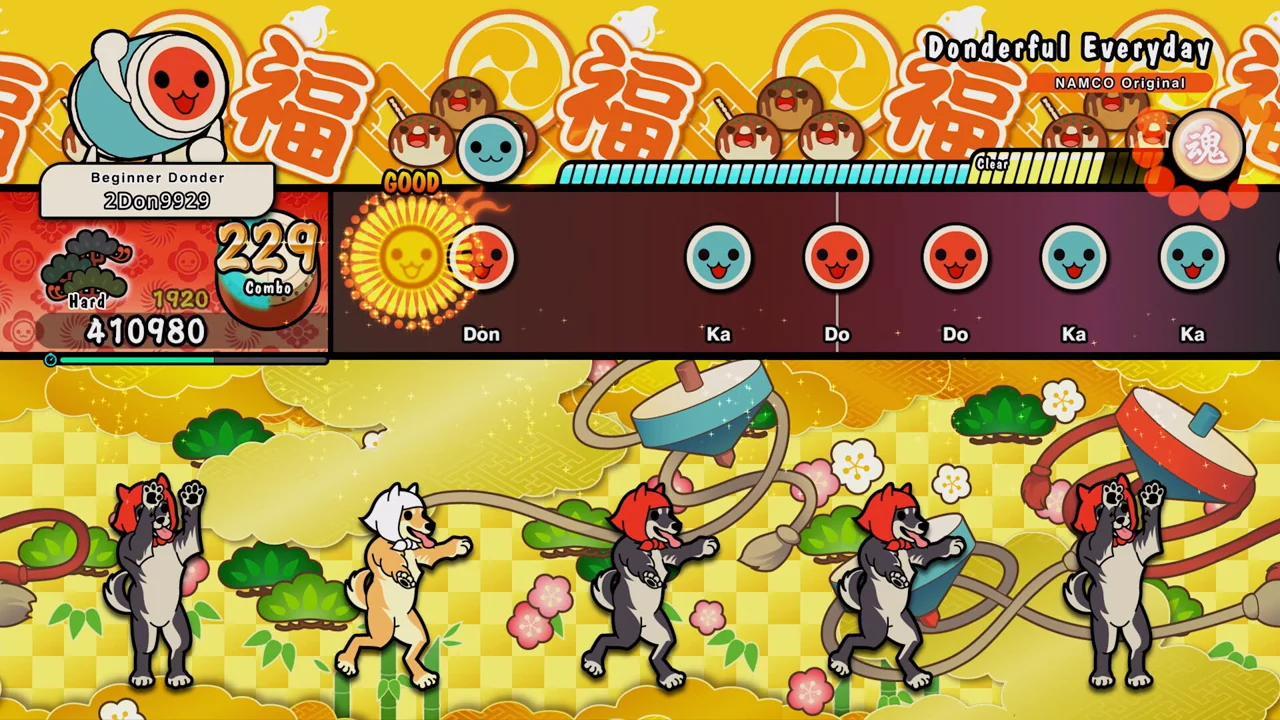
Drumhead and rim strikes define Taiko no Tatsujin's basic controls. Starting with the 2001 arcade debut, the article examines those actions alongside the drums, characters and song selection.